 EN

Electric snow blowers have emerged as a practical solution for efficient snow removal, especially for businesses and municipalities looking for eco-friendly options. These machines utilize lithium-powered technology, making them lightweight and easy to maneuver, while reducing emissions compared to gas-powered alternatives. When considering an electric snow blower, B2B buyers often grapple with specifications, cost factors, sourcing quality products, and potential operational problems. This article aims to provide a comprehensive overview of what to evaluate and understand about electric snow blowers to facilitate informed purchasing decisions.
Understanding the Cost Factors of Electric Snow Blower Acquisition
Cost considerations for electric snow blowers extend beyond the initial purchase price. Key factors influencing overall costs include:
Initial Purchase Price: This varies significantly based on specifications, brand, and additional features. Higher-end models with advanced technology may command a premium.
Maintenance Costs: Electric snow blowers generally require less maintenance than gas-powered models. However, buyers should budget for potential battery replacements and regular checks on the motor and blades.
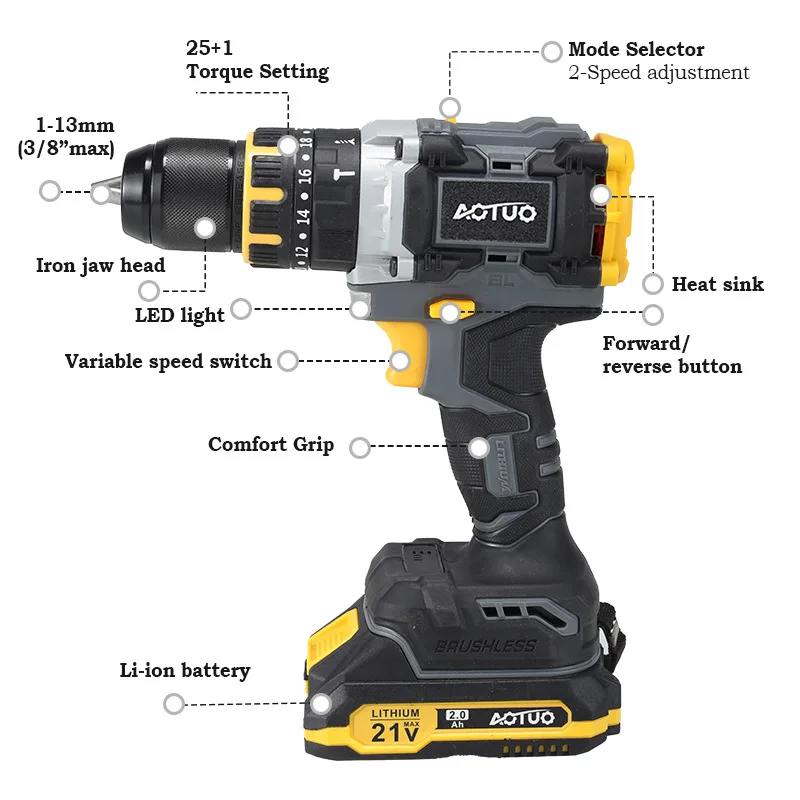
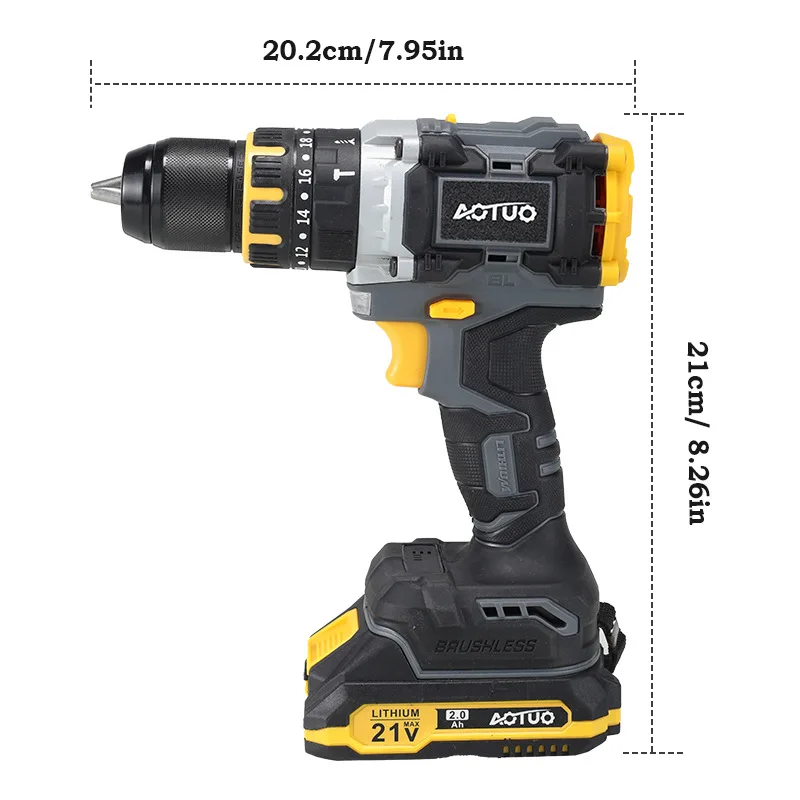
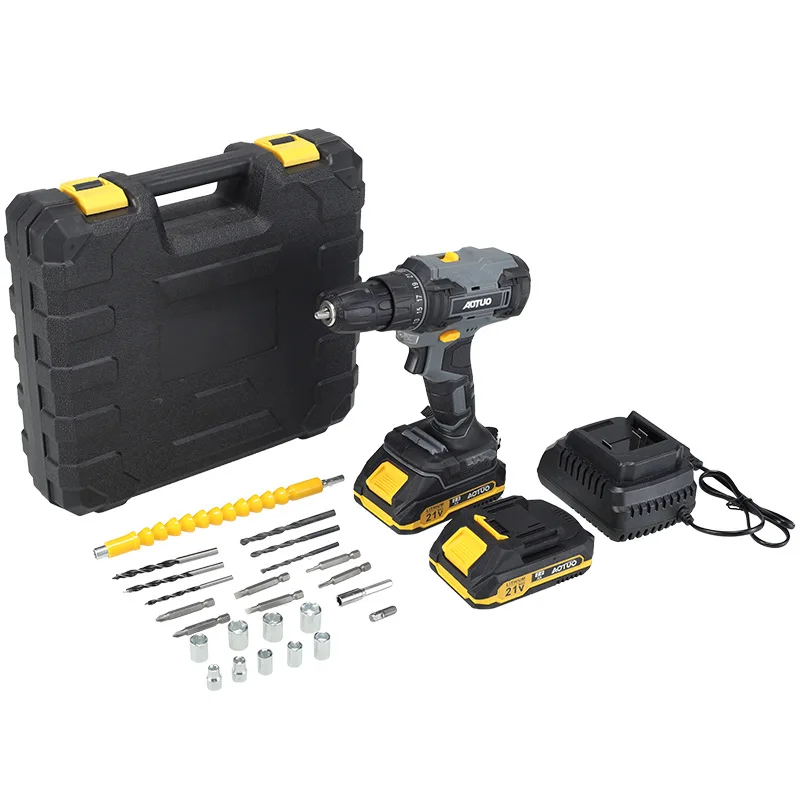
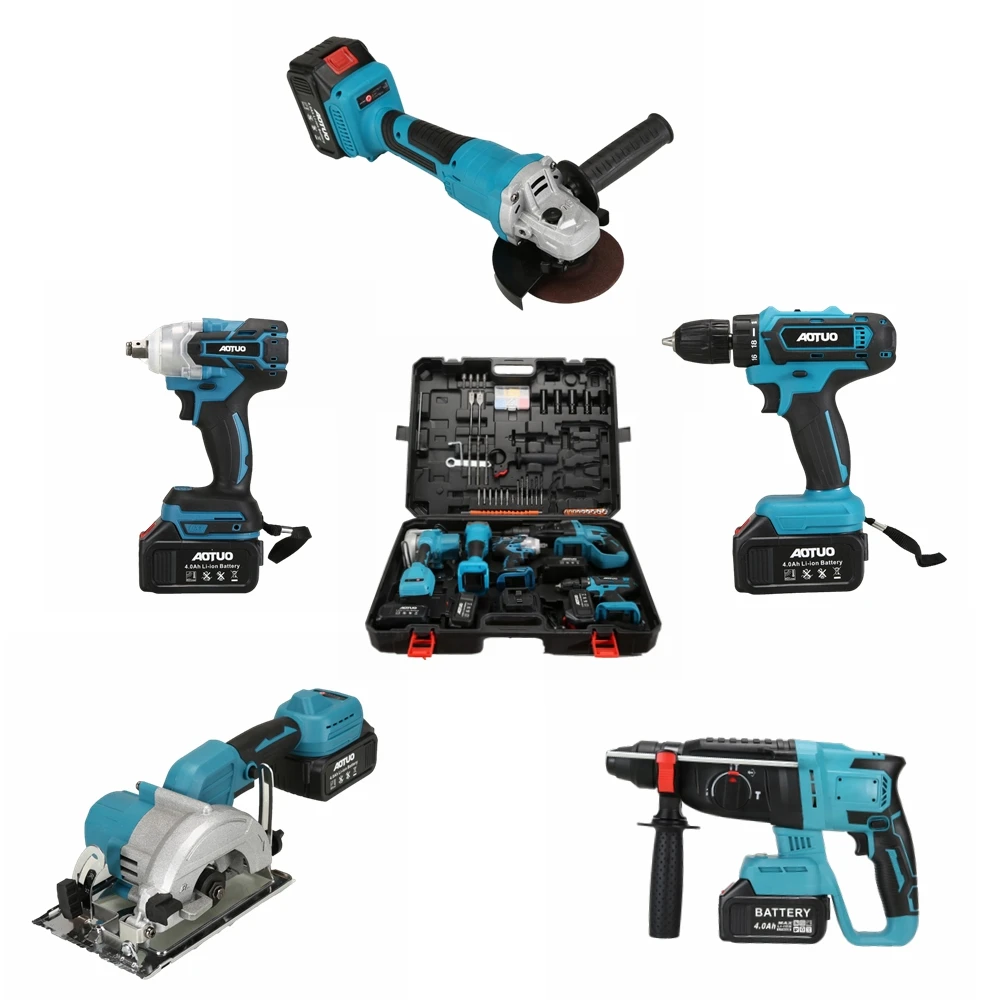
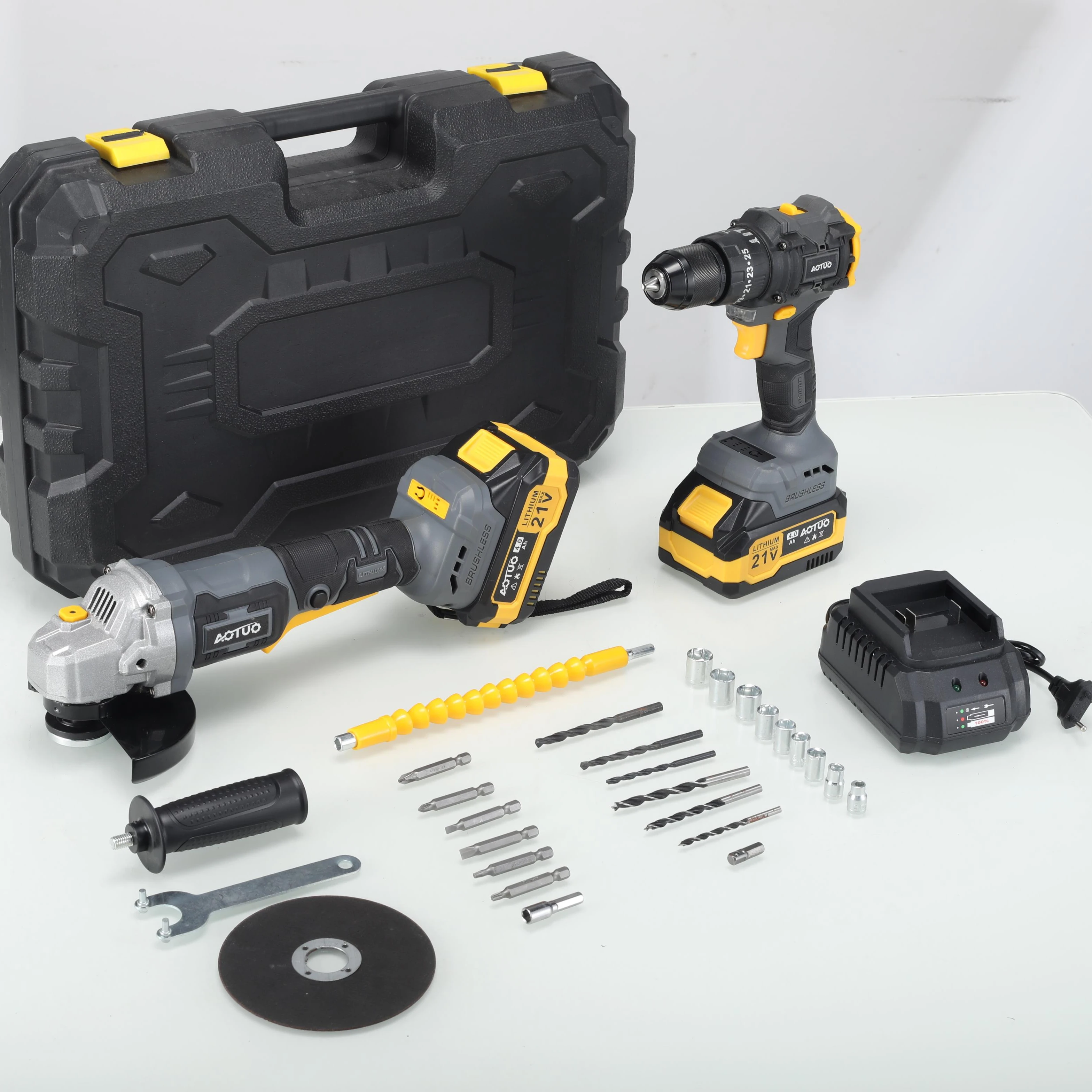
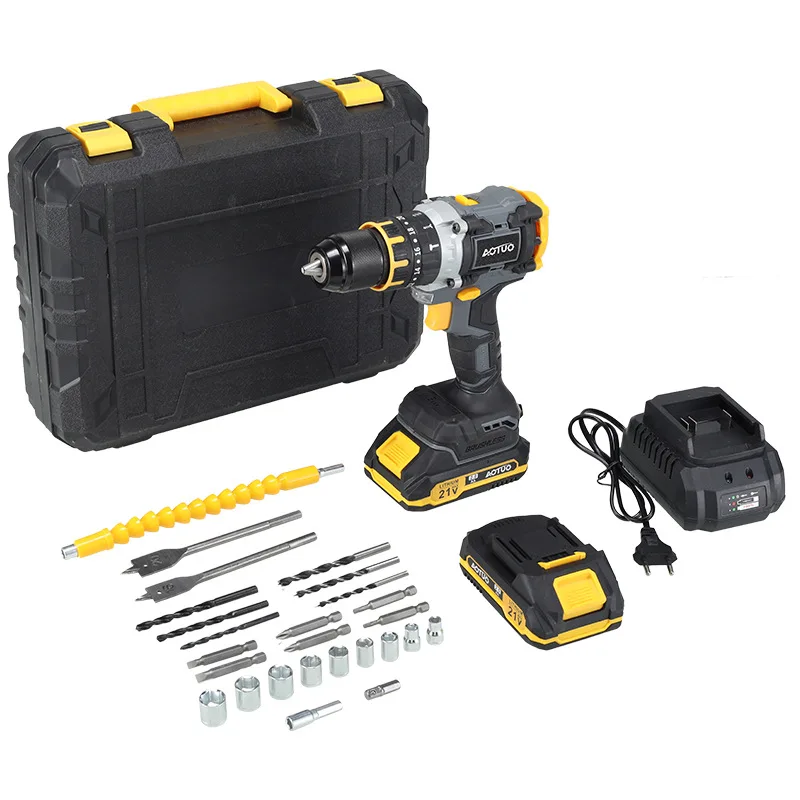
Operational Costs: The cost of electricity to charge the batteries should be factored into the total cost of ownership. Electric models are typically more economical in terms of energy consumption compared to gas units. Additionally, investing in tools like a Cordless Drill can further optimize your operations.
Warranty and Support: A comprehensive warranty can mitigate long-term costs, covering repairs and replacements. Buyers should inquire about warranty terms and the manufacturer’s support services.
Customization Options: Custom features such as additional attachments or specialized blades may increase the initial cost but can enhance the machine’s versatility and performance.
Understanding these cost factors helps buyers make a more informed decision, ensuring they select a product that fits both their budget and operational needs.