
All Categories
electric snow blower-0

Home > 

electric snow blower

Electric snow  blowers have emerged  as  a practical  solution for  efficient  snow  removal, especially for  businesses  and municipalities looking  for  eco-friendly options. These machines utilize  lithium-powered technology, making  them lightweight and easy to  maneuver, while reducing emissions compared to gas-powered alternatives. When considering an  electric snow blower, B2B buyers often grapple with specifications, cost  factors, sourcing quality products, and potential operational problems. This article aims to provide a comprehensive  overview  of what to evaluate and understand  about electric snow blowers to facilitate  informed purchasing decisions.
Our Products

Understanding the Cost Factors of Electric Snow Blower Acquisition

Understanding the Cost Factors of Electric Snow Blower Acquisition

Cost considerations for electric snow blowers extend beyond  the initial purchase price. Key factors influencing overall costs include:

Initial Purchase Price: This varies significantly based on specifications, brand, and additional features. Higher-end models with advanced technology may command a premium.

Maintenance Costs: Electric snow blowers generally  require less maintenance than gas-powered models.  However, buyers should budget for potential  battery replacements  and regular checks on  the motor and blades.

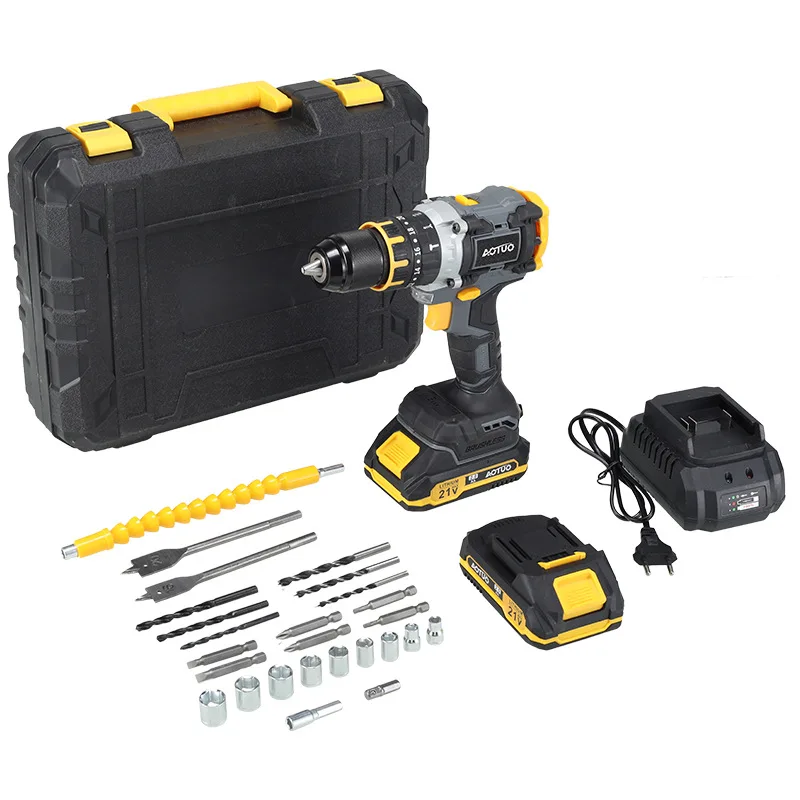
Operational Costs: The  cost  of electricity to  charge the batteries should  be factored  into the total cost  of ownership. Electric  models are typically more economical in terms of energy consumption compared to gas units. Additionally, investing in tools like a Cordless Drill can further optimize your operations.

Warranty and Support: A comprehensive warranty can mitigate long-term costs, covering repairs and replacements. Buyers should inquire  about warranty terms and the manufacturer’s support services.

Customization Options: Custom  features such as additional attachments or  specialized blades may increase the initial cost but can enhance the machine’s versatility and performance.

Understanding these cost factors helps buyers make a  more informed decision, ensuring they select a  product that fits  both their budget and operational needs.
Sourcing Quality Electric Snow Blowers

Sourcing Quality Electric Snow Blowers

When sourcing  electric snow blowers, businesses should consider  several aspects to  ensure quality and reliability:

Manufacturer Reputation: Researching manufacturers  with a solid reputation in  the industrial sector is essential. Companies  that specialize in battery-powered tools, such as AOTUO, often have the necessary expertise in lithium technology.

OEM Partnerships: Collaborating with  manufacturers that have established OEM partnerships can ensure access to high-quality components and technology. This often translates to  better performance and durability.

Quality Control  Processes: Understanding the manufacturer’s quality control processes is crucial. Ensuring that they follow stringent testing protocols  can  help avoid potential issues  during operation.

Certifications: While specific certifications were  not  provided in the company background, looking for recognized industry certifications can provide assurance of product quality and compliance  with safety standards.

Customization Capabilities: Manufacturers that offer customization options  can tailor products to fit specific operational requirements, enhancing efficiency and effectiveness.

By  focusing on these factors, buyers can source  electric snow blowers that meet their operational needs and ensure long-term  reliability.

Common Problems When Using Electric Snow Blowers and Solutions

Common Problems When Using Electric Snow Blowers and Solutions

While electric snow  blowers  offer many advantages, users may encounter common issues. Understanding  these problems and  their solutions can enhance operational efficiency:

Battery Life Issues: Users may  find that the battery does not last through a full snow-clearing  operation. To mitigate this, selecting models with higher capacity batteries or having spare  batteries  on hand can be beneficial.

Clogging: Snow can become packed in the chute, leading to clogging. Regularly clearing the chute and using the blower  in lighter snowfall conditions can help prevent this issue.

Inadequate  Power: Some users may find that their electric snow blower struggles with heavy, wet snow. In such  cases, choosing a model with  higher motor power  or considering a gas-powered  alternative for extreme conditions may be necessary.

Maintenance Neglect: Regular maintenance, including cleaning and checking battery connections, is crucial for longevity. Users should follow the manufacturer’s guidelines for maintenance to avoid performance issues.

Cord Management: For corded models, managing the power cord can be  a challenge. Utilizing cord management systems or opting  for cordless models can enhance user experience.

By being aware of these common problems and  their solutions, users can  optimize the performance of their electric snow blowers.


What to Know

Before  making a purchase, buyers should compile  essential  information to facilitate a smooth  acquisition process. Consider the  following:

Required Specifications: Determine the necessary specifications based on the intended application and  environment. This includes motor power, clearing width, and battery  life.

Quantity and Customization Needs: Establish  the required quantity and whether  any customization is needed  for specific applications.

Lead Time and Delivery: Inquire  about lead times, especially if the equipment is needed for a specific season. Understanding delivery  timelines  is crucial for planning operations.

Technical  Drawings or  Samples: Request technical drawings or samples if applicable. This can help confirm that the product will  meet the required specifications before mass production.

Packaging and Shipping: Clarify packaging methods and shipping options to ensure that the  products arrive safely and in good condition.

By preparing this information, buyers can streamline their RFQ  process and facilitate effective discussions with manufacturers, ultimately leading to a  more  satisfactory purchasing experience.

Key Specifications to Evaluate for Electric Snow Blowers

When selecting an electric snow blower, several  key specifications should be considered to ensure it meets operational needs.

Motor Power: The  power of the motor, typically measured in amps or volts, directly impacts performance. A higher amp rating generally indicates better  snow-clearing capacity. For instance, a 15-amp  motor is suitable  for light to moderate  snow, while a 20-amp motor  can handle heavier  snowfall. For those looking to enhance their gardening tools, consider using Cordless Pruning Shears for added efficiency.

Clearing Width  and Depth: This specification refers to how wide  and deep the snow blower can clear in a single pass. A wider clearing width allows for faster operation, but buyers should  balance this with maneuverability, especially in tight spaces.

Throw Distance: This feature indicates how far the snow  can be thrown. A greater throw distance is advantageous for efficiently moving snow away from driveways or walkways.

Battery Life: For lithium-powered models, understanding the battery life is crucial. Some models offer extended battery options, while others may require frequent recharging during prolonged use.

Weight and  Portability: The weight of the snow blower affects not only its ease of use but also its storage capabilities. Lighter  models  are easier to transport and handle, making them suitable for various  applications.

By  evaluating these  specifications, buyers can  better assess which electric snow blower aligns with their  specific operational requirements.

Frequently Asked Questions

What power source does this electric snow blower use?

The electric snow blower uses lithium batteries from our cordless product line, delivering brushless-motor efficiency for longer runtime and consistent performance.
Runtime varies by snow depth and settings; typical runs range from 30 to 90 minutes using our high-capacity lithium packs with brushless motor efficiency.
Yes. It is cordless for tangle-free use and designed for ergonomic handling, benefiting from lightweight lithium batteries and a compact brushless motor layout.
Minimal maintenance: keep battery charged and stored properly, clear debris from intake and chute, inspect fasteners, and follow periodic motor and battery care guidelines.
Yes. Our vertically integrated facility supports OEM partnerships, offering customization in specifications, branding, and accessory options to meet client requirements.

Get a Free Quote

Our representative will contact you soon.
Email
Name
Company Name
Message
0/1000

Related product categories