 EN

Portable snow blowers are essential tools for efficiently managing snow removal in various commercial settings. As businesses seek to maintain accessibility during winter months, understanding the specifications, cost factors, and application scenarios for these machines becomes crucial. This article will guide purchasing managers, facility operators, and distributors through the key aspects of portable snow blowers, helping them make informed decisions that align with their operational needs.
Cost Factors to Consider When Purchasing Portable Snow Blowers
The cost of portable snow blowers can vary significantly based on various factors. The initial purchase price is often the most apparent cost, but buyers should also consider long-term operational costs, including maintenance, fuel (for gas-powered models), and battery replacement for electric units.
Brand reputation and reliability also play a role in pricing. Established brands may charge more, but they often offer better support and warranties, which can save costs down the line. Additionally, features such as heated handles, LED lights, and adjustable speed settings can increase the price, but they may also enhance operational efficiency and comfort.
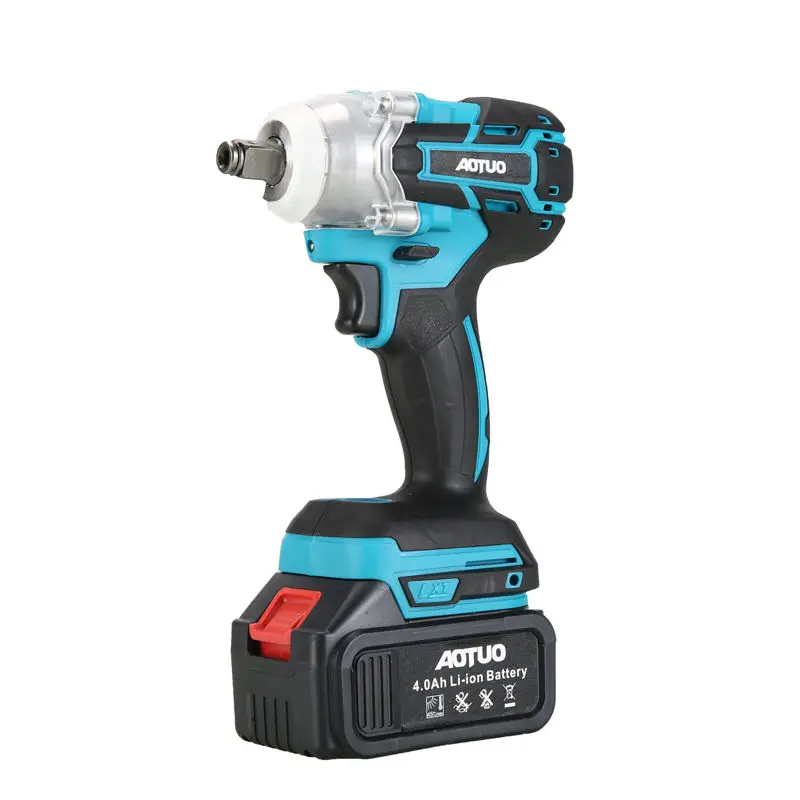
Another important factor is the availability of parts and service. A company that provides easy access to replacement parts and maintenance services can help reduce downtime and overall costs associated with repairs. This is similar to the support provided for our Cordless Impact Wrench.
Lastly, consider the volume of snow typically managed. For businesses in areas with heavy snowfall, investing in a higher-end model may be more cost-effective in the long run compared to lower-priced options that may require frequent repairs or replacement.