
 EN

Choosing the right hedge trimmer for your projects can significantly impact efficiency, performance, and overall landscape quality. As a purchasing manager or product manager in the manufacturing or gardening industry, understanding the nuances of hedge trimmers is essential. This article will guide you through the selection process, covering key specifications, cost factors for bulk orders, common problems, and best practices, ensuring you make informed decisions when sourcing hedge trimmers.
Key Specifications to Consider When Sourcing Hedge Trimmers
Several specifications are critical for evaluating hedge trimmers:
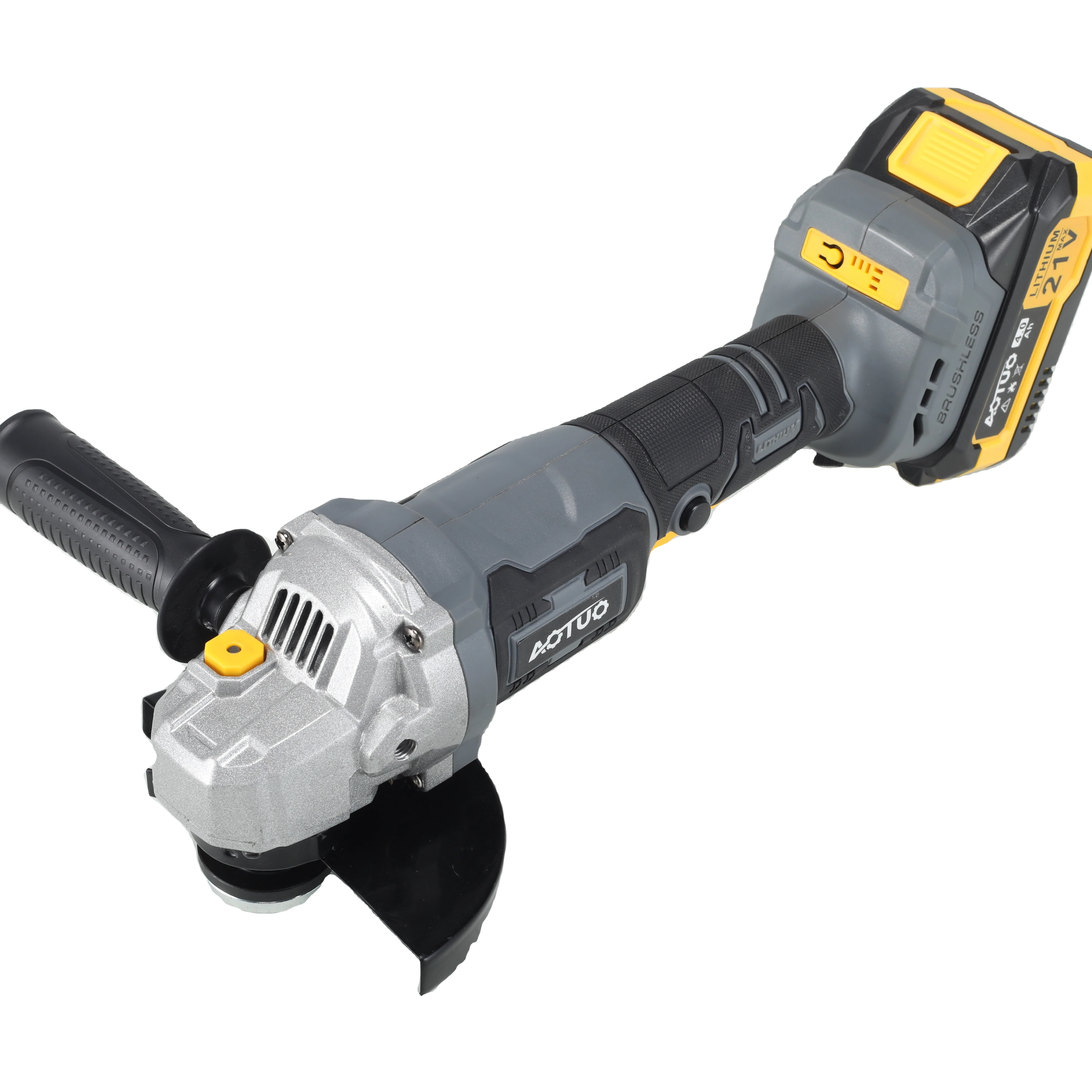
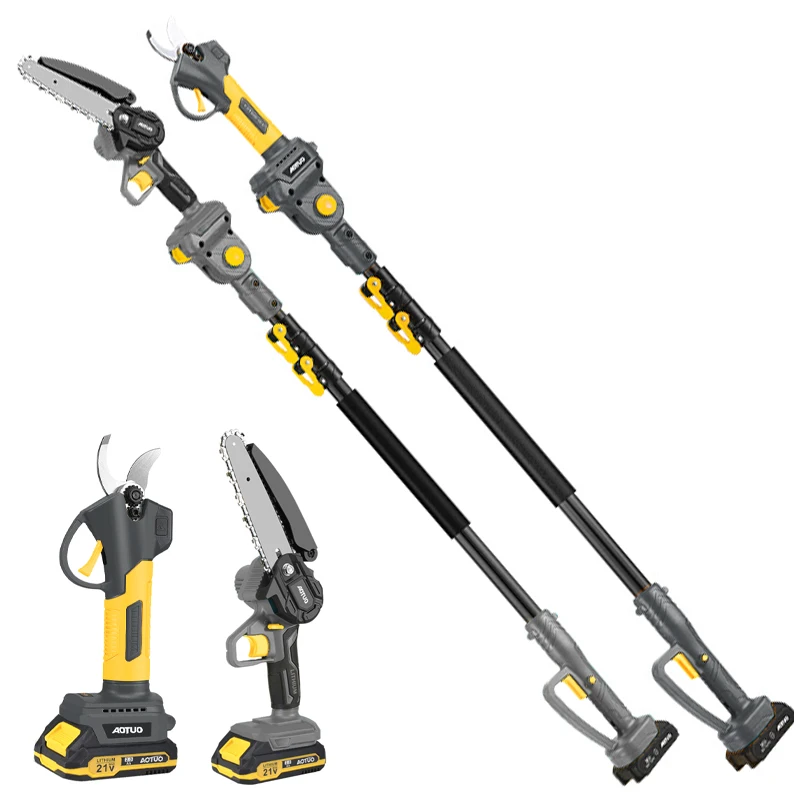
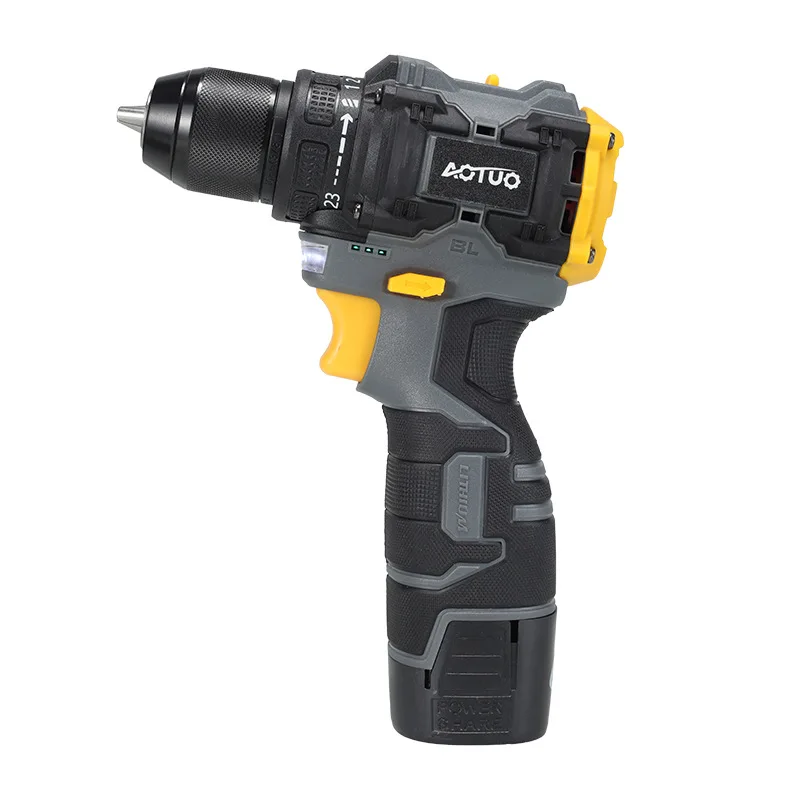
Motor Type: Brushless motors, such as those used by AOTUO, provide greater efficiency, longer run times, and reduced maintenance compared to brushed motors.
Battery Life: For battery-operated trimmers, consider the amp-hour (Ah) rating of the battery, which indicates how long the trimmer can operate before needing a recharge. Higher Ah ratings typically mean longer use.
Cutting Speed: Measured in strokes per minute (SPM), cutting speed determines how quickly the hedge trimmer can make cuts. A higher SPM allows for quicker trimming, particularly for larger jobs.
Blade Material and Design: Stainless steel blades are preferred for their durability and resistance to rust. Additionally, consider the blade design – dual-action blades reduce vibration and improve cutting efficiency.
Sound Level: For commercial use, especially in residential areas, check the noise level (measured in decibels) to comply with local regulations and minimize disturbance.