 EN

Electric string trimmers have become essential tools for landscaping professionals seeking to maintain precision and efficiency in their work. As a B2B buyer, understanding the nuances of these tools is crucial for making informed purchasing decisions. Key concerns typically include product specifications, quality assessment, and application suitability. This article will provide a comprehensive overview of electric string trimmers, guiding you through specifications, quality evaluation, common issues, installation guidance, and various landscaping applications.
How to Evaluate the Quality of Electric String Trimmers Before Buying
Assessing the quality of electric string trimmers involves several key considerations. First, review the material construction. Trimmers made from high-grade plastics or aluminum offer better durability and resistance to wear and tear. Secondly, inquire about the manufacturer's quality control processes. A reputable manufacturer will provide details on their production practices and any certifications that demonstrate compliance with industry standards.
Additionally, customer reviews and testimonials can provide insights into real-world performance and reliability. Consider seeking feedback from other contractors who have used the specific models you are considering. A hands-on inspection of samples can also help you assess the trimmer's weight, balance, and ergonomics, which are essential for comfort during extended use.
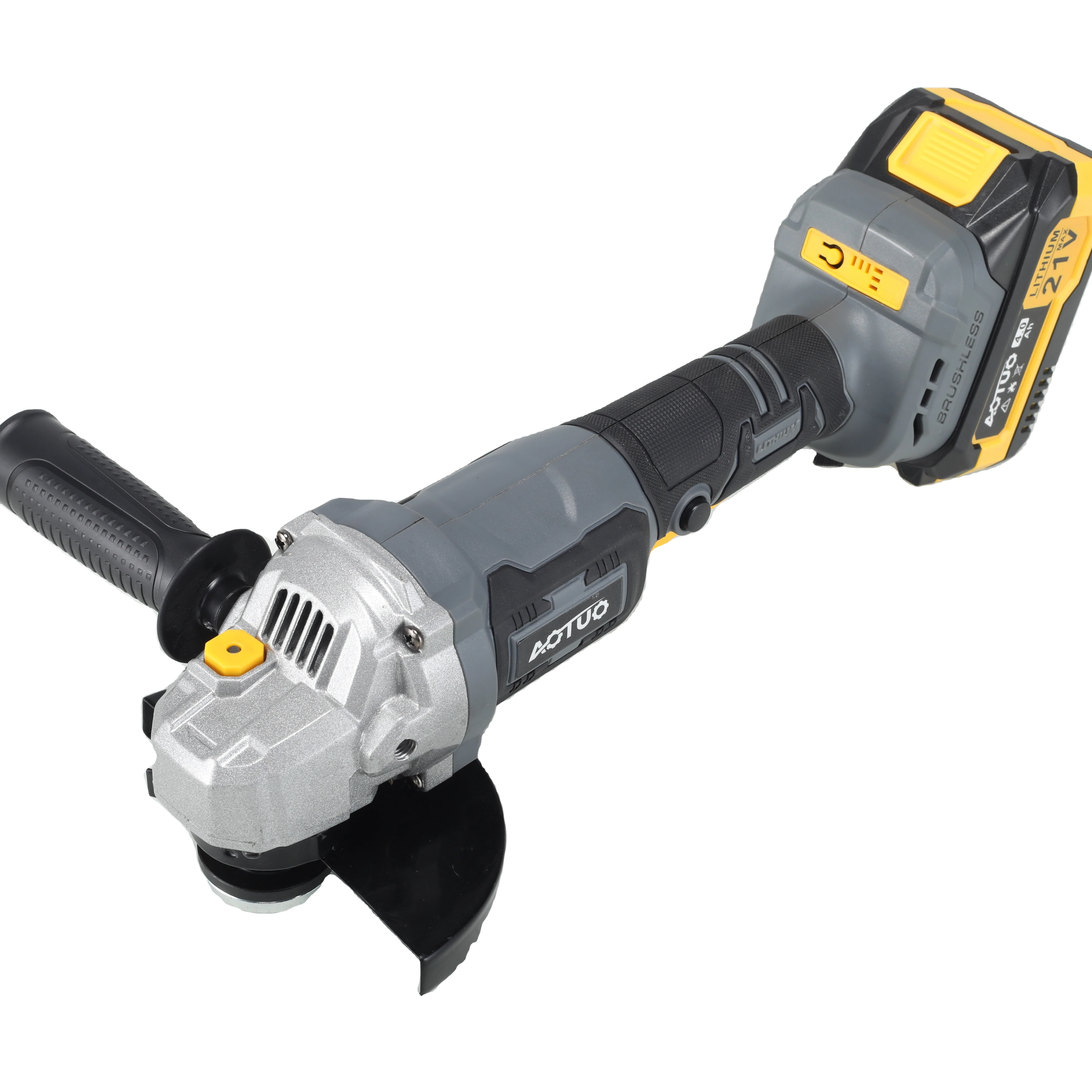
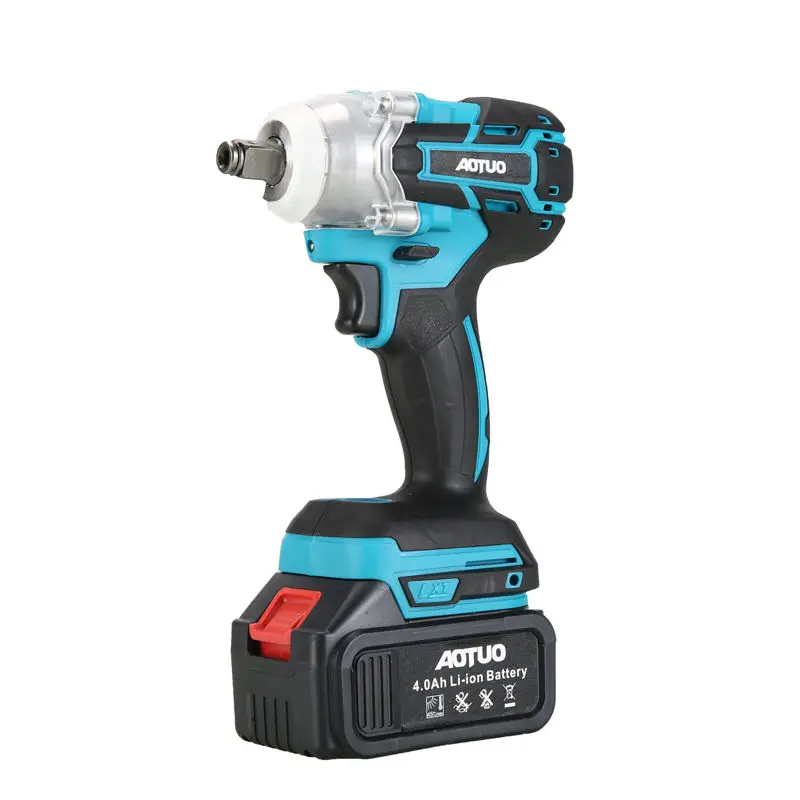
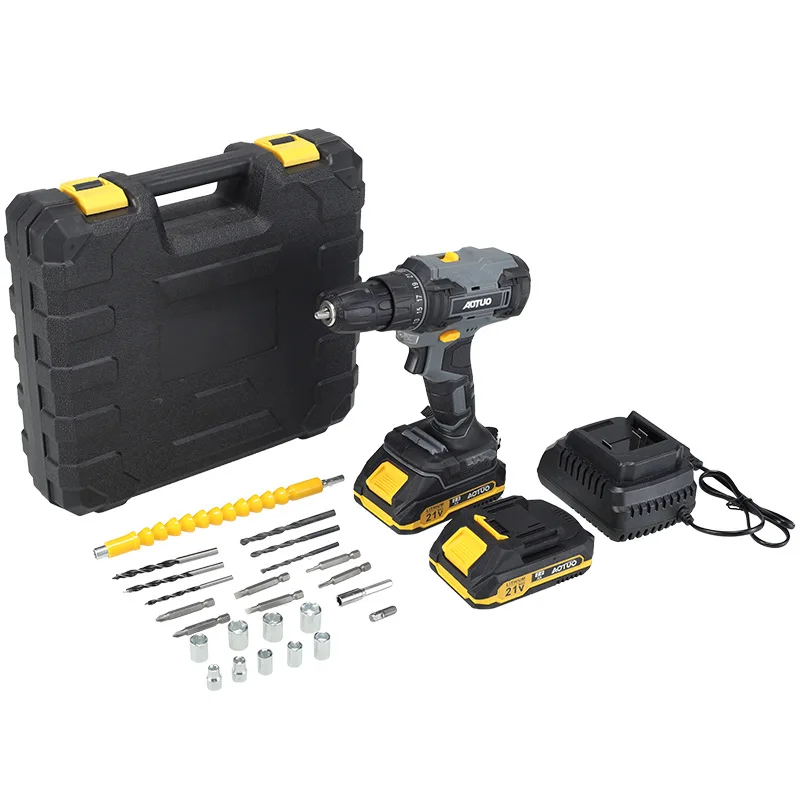
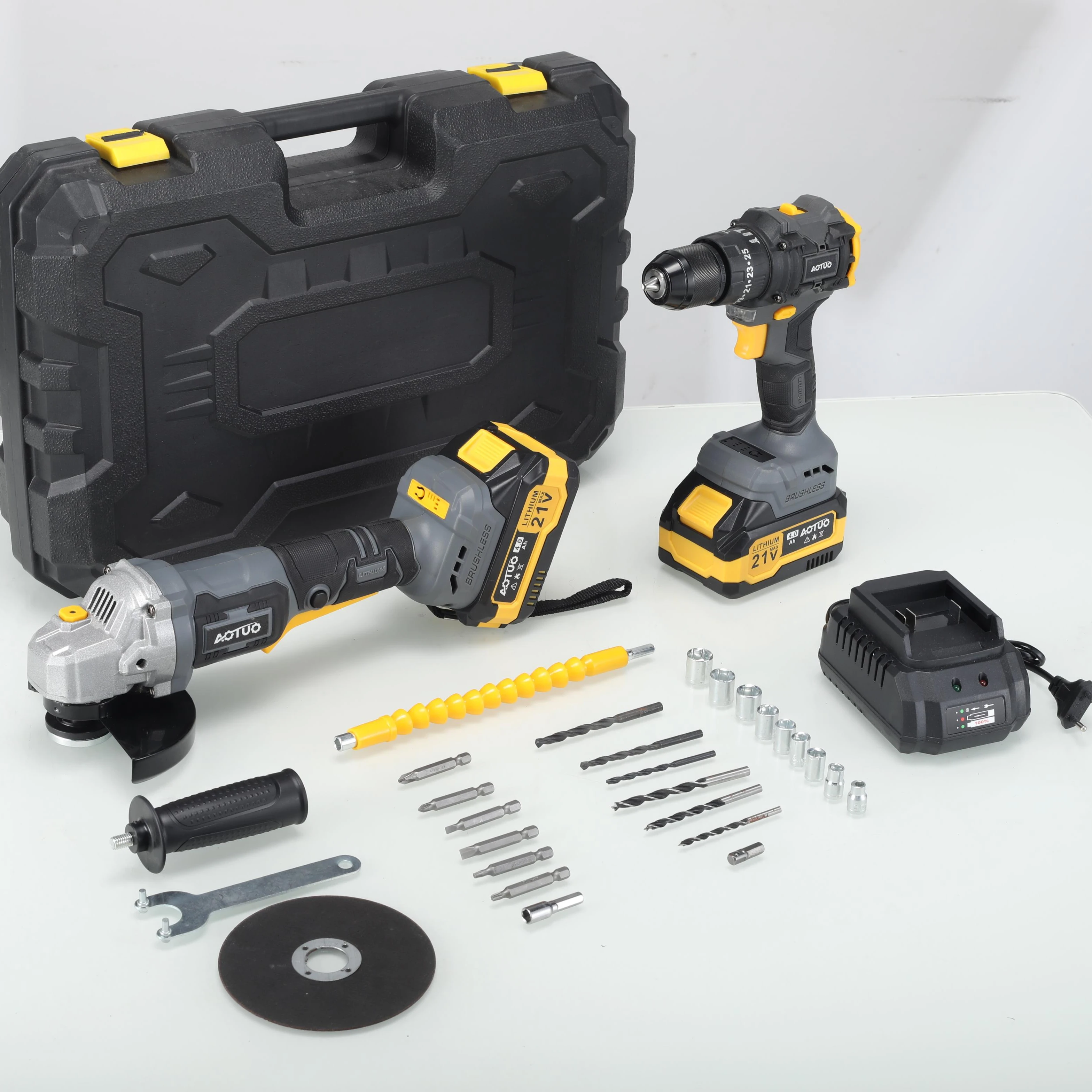
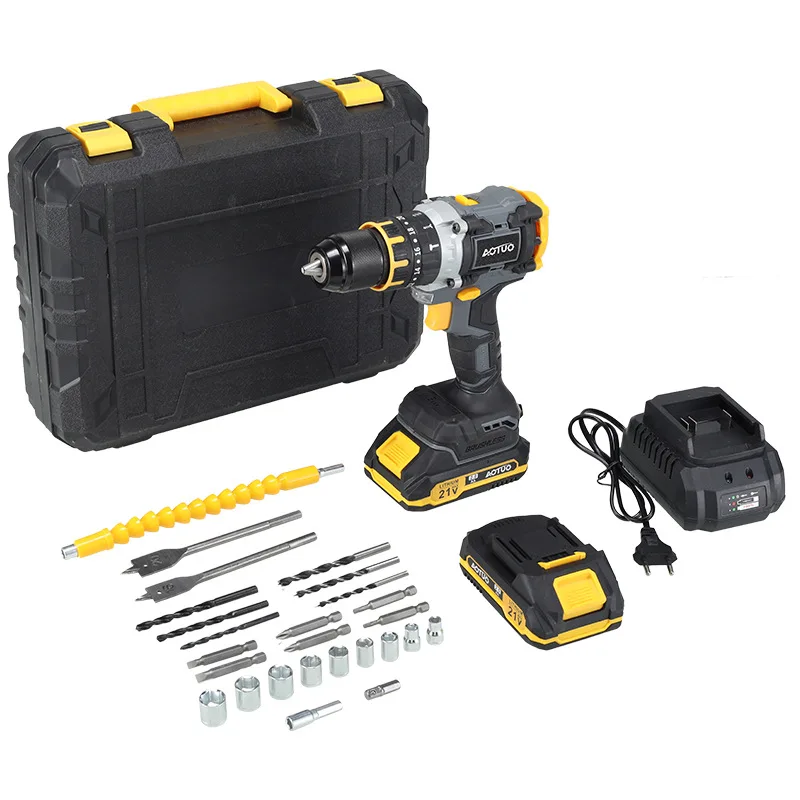
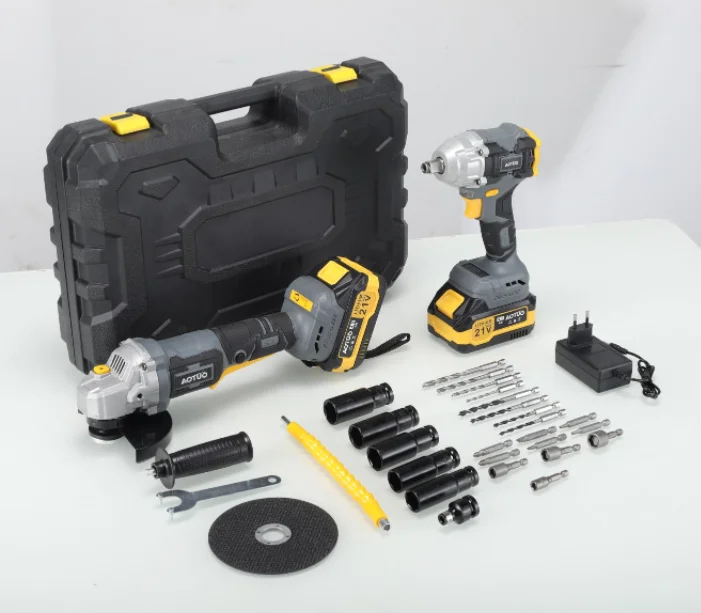
Lastly, verify the availability of replacement parts and service support, as this can significantly impact long-term operational efficiency and cost. Choosing models with good support, like the Professional Wireless Rechargeable Lithium Brushless Two-Speed Adjustable Reversible Angle Grinder DIY Tool Set 3.0AH Battery can be beneficial.