
 EN

Electric riding mowers represent a significant advancement in landscaping and lawn care equipment, providing a more sustainable and efficient alternative to traditional gas-powered models. For B2B buyers, including purchasing managers and distributors, understanding the key specifications, operational capabilities, and cost factors is essential when evaluating electric riding mowers for commercial applications. This article will guide you through crucial aspects to consider, aiding in informed purchasing decisions.
A Buyeru2019s Guide
When purchasing electric riding mowers, buyers should adopt a structured approach to ensure they select the right equipment. Here’s a concise guide to help streamline your decision-making process:
Define Your Needs: Consider the size of the area to be mowed, the type of terrain, and the specific requirements of your landscaping business. This will help narrow down the options.
Request Specifications: When contacting suppliers, request detailed specifications for the models you are interested in. This will allow for a direct comparison based on your defined needs.
Evaluate Warranty and Support: Assess the warranty offered by manufacturers and the availability of customer support. This can be a deciding factor in terms of reliability and future maintenance.
Seek Samples or Demonstrations: Whenever possible, request demonstrations or samples of the equipment. This will provide insights into its performance and usability.
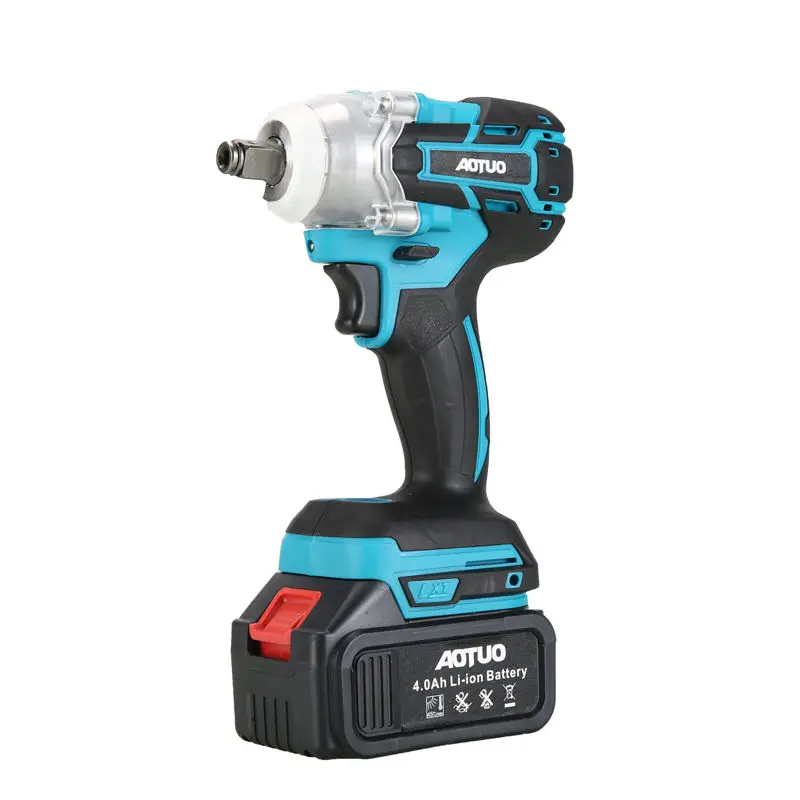
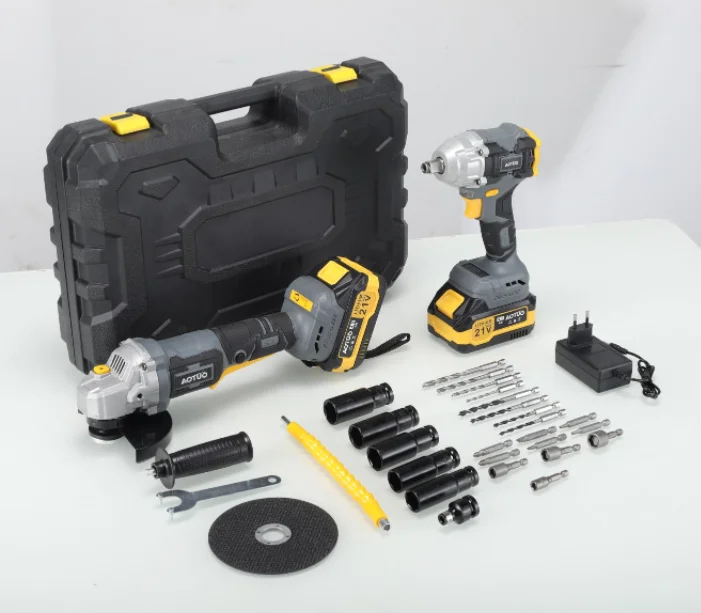
Analyze Total Cost of Ownership: Look beyond the initial purchase price. Evaluate factors like battery replacement costs, maintenance, and energy consumption to understand the overall cost of ownership. For example, consider the long-term benefits of using equipment like Cordless Impact Wrench for additional tasks.