 EN

Electric grass trimmers, specifically cordless models, are increasingly popular among commercial landscapers and gardeners, offering convenience and efficiency without the hassle of cords or gas. As purchasing managers and product managers navigate their selection process, concerns often arise regarding performance, specifications, and overall quality. This article aims to guide buyers through the essential aspects of sourcing electric grass trimmers, comparing specifications, understanding cost factors, troubleshooting common issues, and evaluating the quality of lithium-powered options.
Comparing Specifications of Electric Grass Trimmers for Wholesale
When comparing specifications of electric grass trimmers, focus on several critical factors that influence performance:
Battery Capacity: Look for models with higher amp-hour (Ah) ratings, as these typically offer longer runtime. A battery with a capacity of 2.5 Ah or more is often recommended for commercial use.
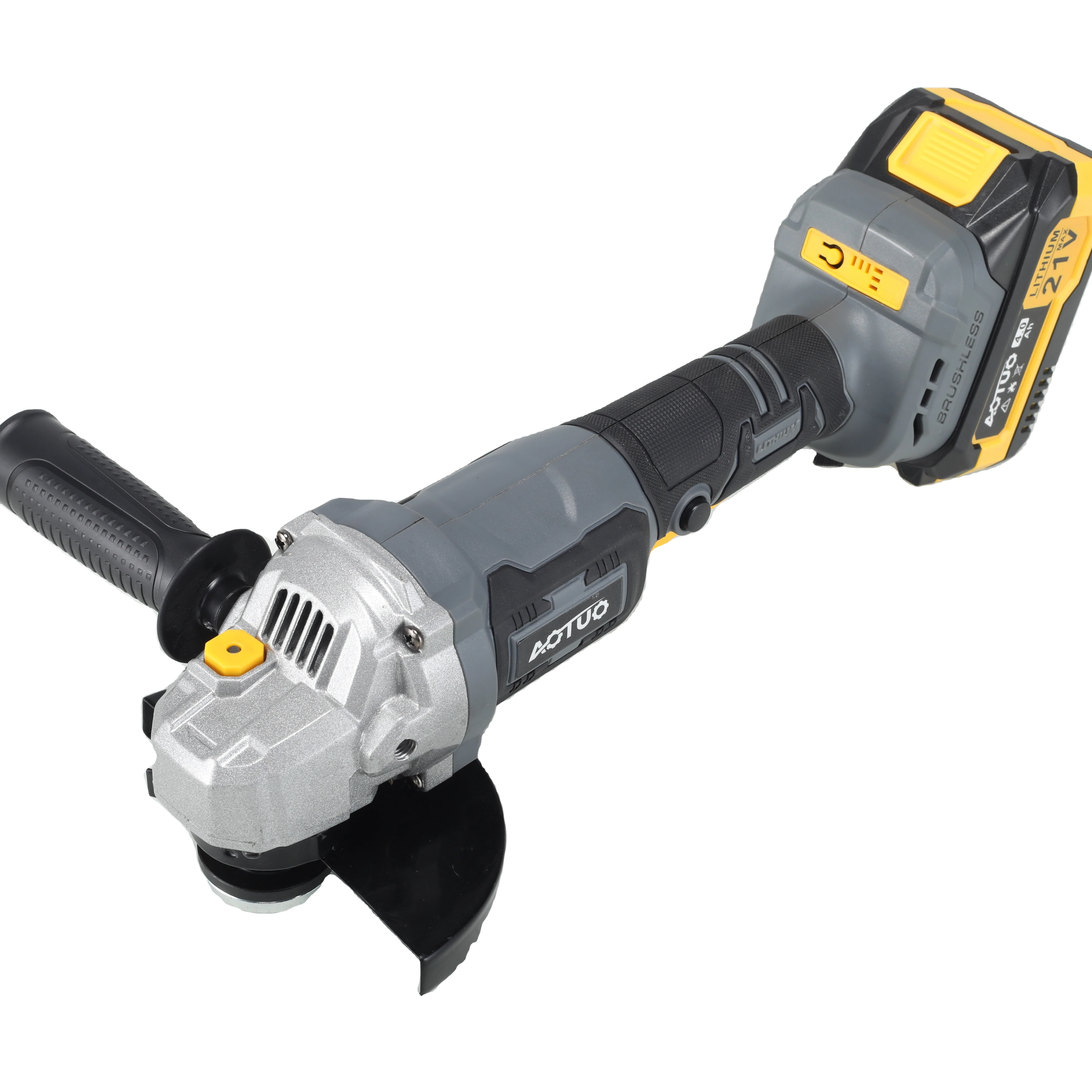
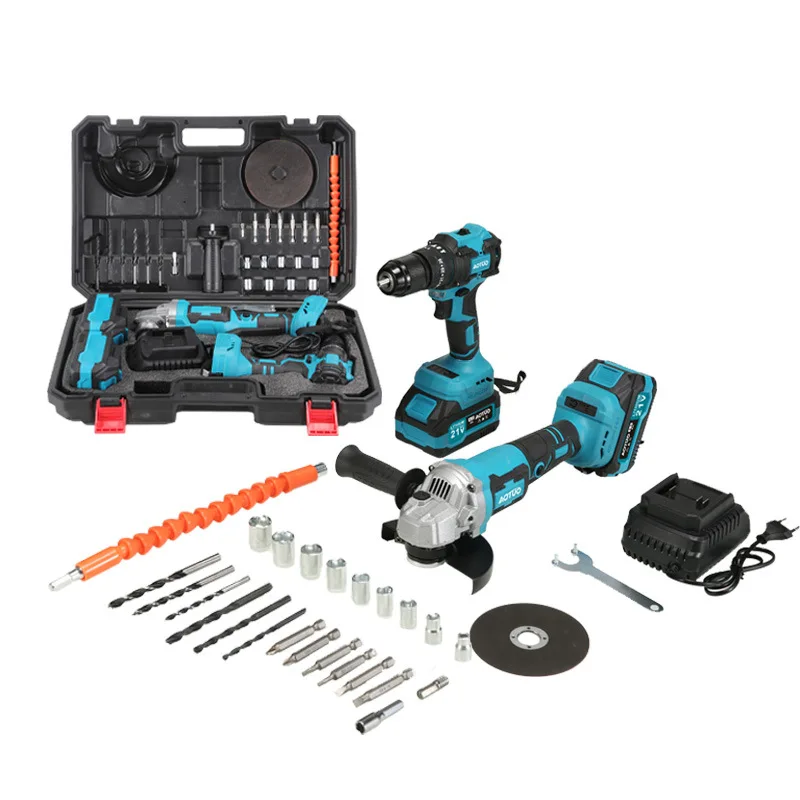
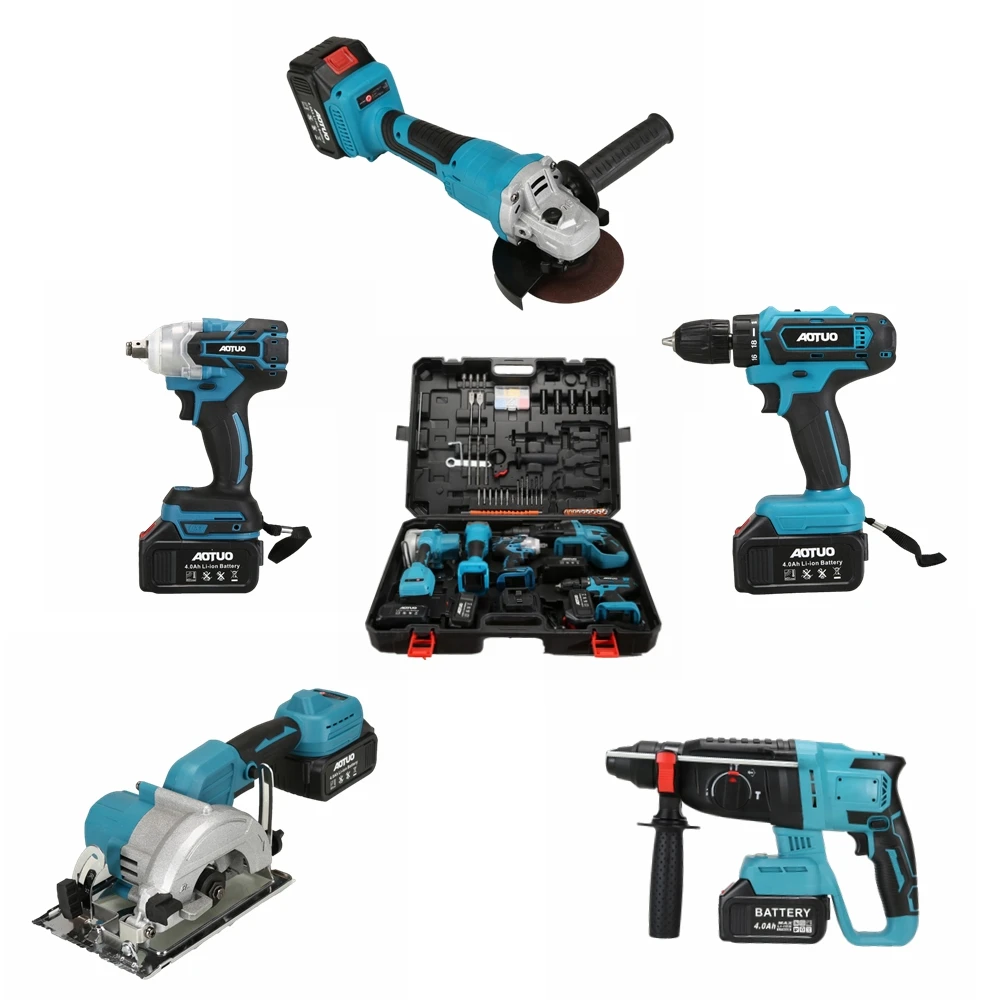
Motor Type: Brushless motors are preferred for their efficiency and longevity. They provide more power and require less maintenance than brushed motors, making them suitable for heavy-duty applications. For versatile applications, you might want to consider a Cordless Angle Grinder as well.
Cutting Width: A wider cutting width can increase productivity by covering more area per pass. Models with cutting widths of 12 to 16 inches are common in commercial settings.
Weight: The weight of the trimmer affects maneuverability and user fatigue. Lighter models are often more favorable for prolonged use.
Adjustable Speed Settings: Some trimmers feature variable speed settings that allow users to manage power output based on different grass types and terrain, enhancing versatility.
By comparing these specifications, buyers can ensure they select trimmers that meet their operational needs while optimizing efficiency.