
 EN

A cordless hedge trimmer is an essential tool for landscaping professionals and commercial companies, offering mobility and convenience without the constraints of power cords. Buyers often seek models that balance performance, durability, and efficiency. This article aims to clarify key specifications, quality evaluation methods, pricing strategies, common issues, and the technical advantages of lithium-powered cordless hedge trimmers, guiding B2B buyers towards informed purchasing decisions.</p>
How to Evaluate Quality in Cordless Hedge Trimmers for Wholesale
When evaluating the quality of cordless hedge trimmers for wholesale, buyers should focus on several key aspects:</p>
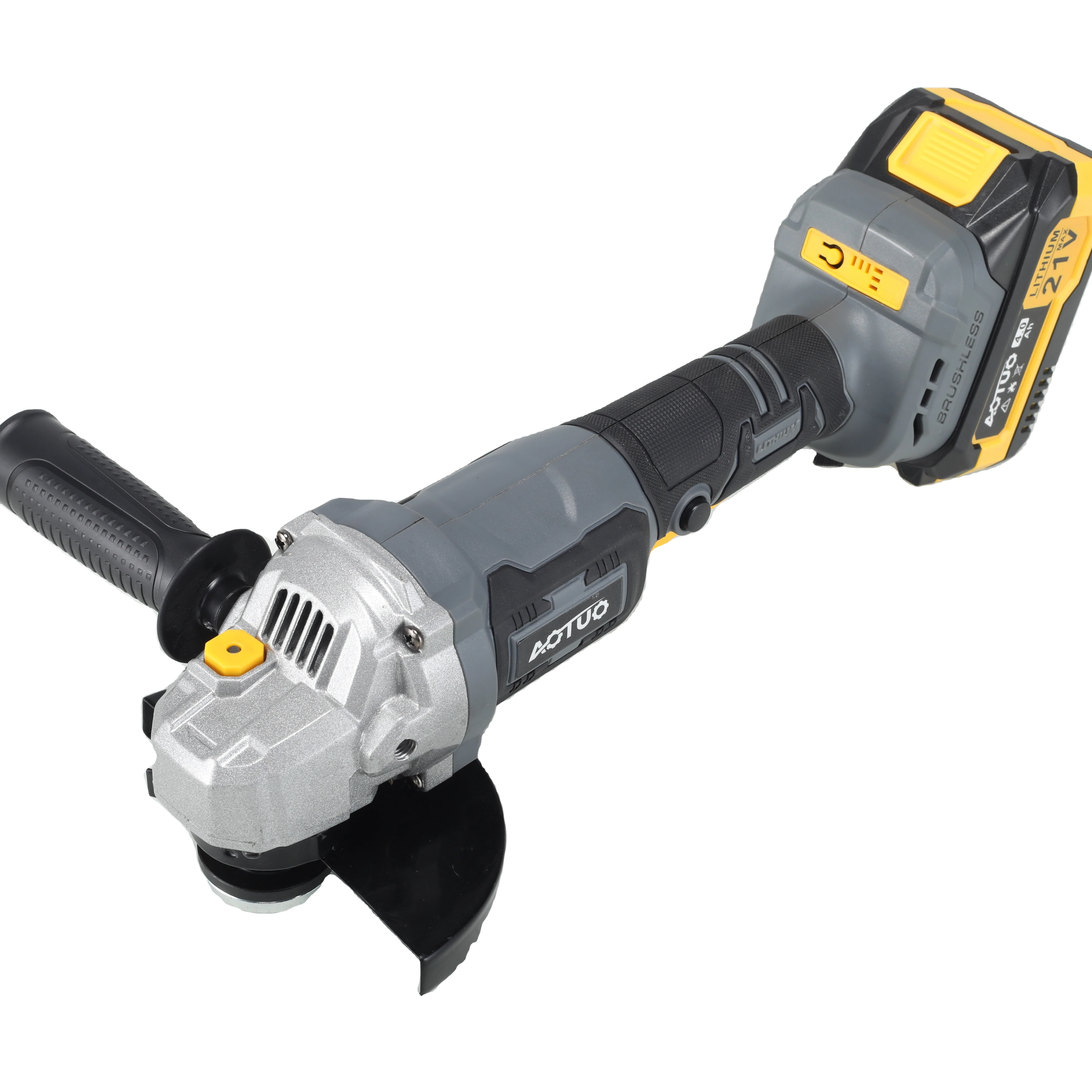
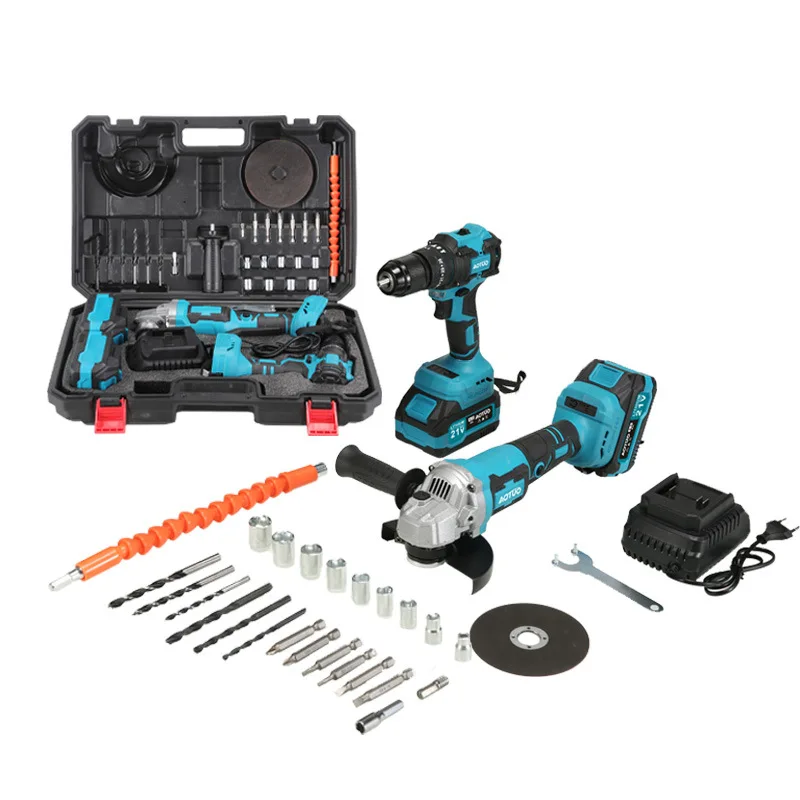
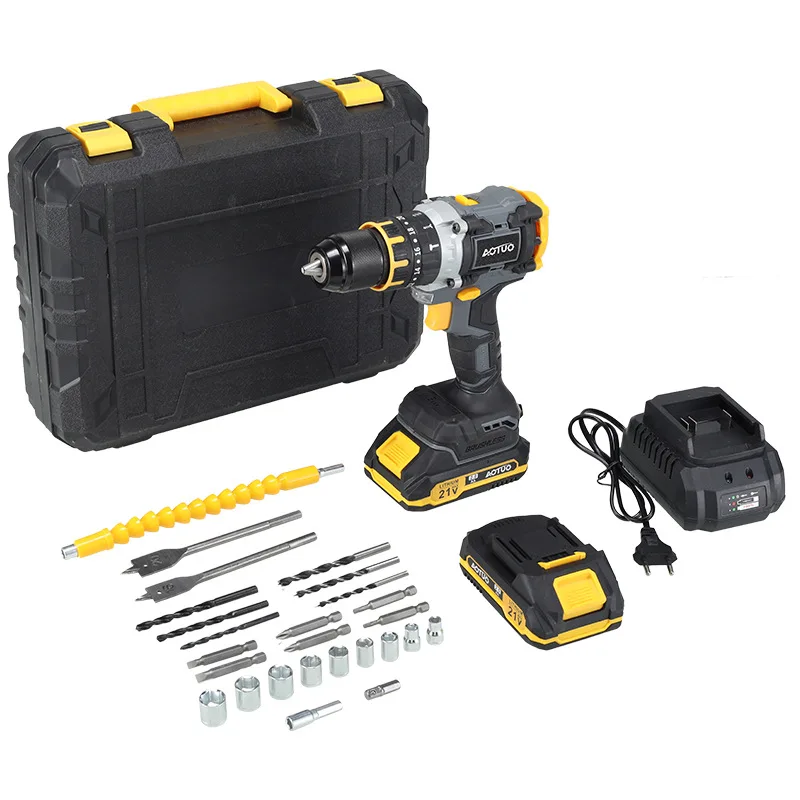
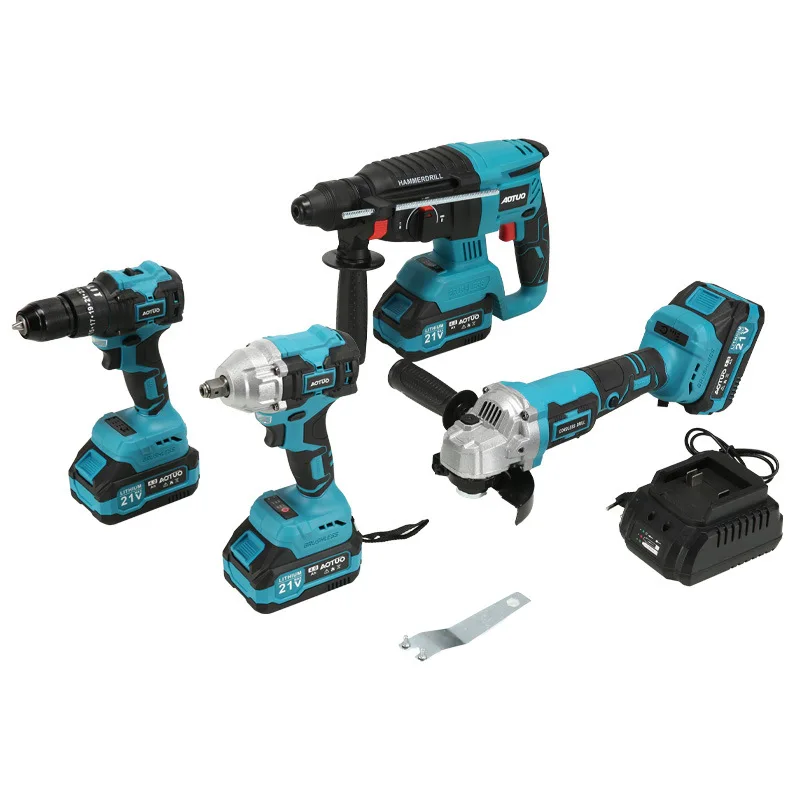
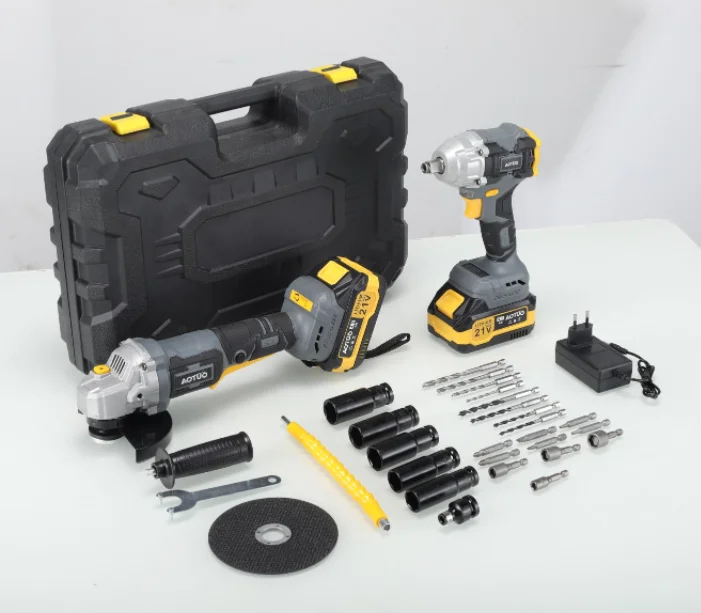
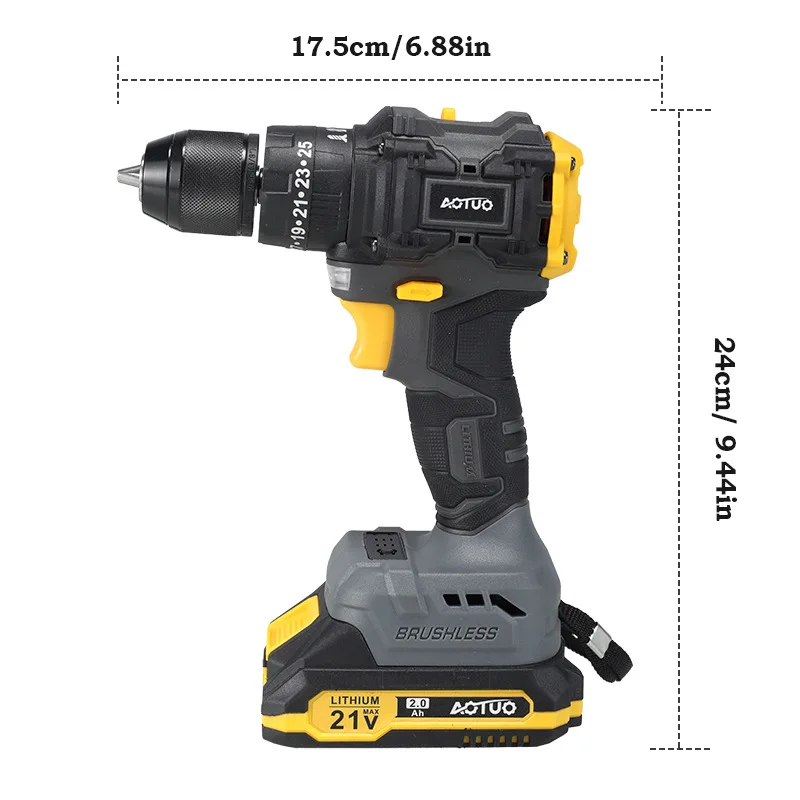
<strong>Material Quality</strong>: Inspect the materials used in the trimmer's construction. High-strength plastics and durable metals can enhance longevity and resilience against wear and tear. For instance, 5pcs Set 21V Combination Electric Power Tool Kits are known for their robust material quality. </p>
<strong>Manufacturing Standards</strong>: Verify that the manufacturer adheres to international quality standards. Quality control processes, such as ISO certifications, are indicators of a reliable manufacturing process.</p>
<strong>Performance Testing</strong>: Request performance data from the manufacturer, such as operational tests under real-world conditions. This information can reveal how well the trimmer handles different hedge types and thicknesses.</p>
<strong>User Reviews and Reputation</strong>: Engage with existing users or consult reviews to gauge real-world performance and durability. A well-regarded brand with positive feedback can often be a safer choice.</p>
<strong>Warranty and Support</strong>: A strong warranty indicates confidence in the product's quality. Additionally, assess the manufacturer's customer support responsiveness, as this will be vital for long-term maintenance and service needs.</p>
By focusing on these evaluation criteria, buyers can make informed decisions that align with their quality expectations and operational requirements.</p>