 EN

Battery-operated grass trimmers are essential tools for maintaining neat and tidy landscapes in various commercial and industrial settings. These cordless devices provide flexibility and convenience, eliminating the hassle of tangled cords and dependence on power outlets. When sourcing a battery-operated grass trimmer, B2B buyers, such as purchasing managers and landscapers, often have concerns regarding quality, specifications, and operational efficiency. This article aims to provide valuable insights into sourcing, specifications, installation, common issues, and key considerations when purchasing battery-operated grass trimmers.
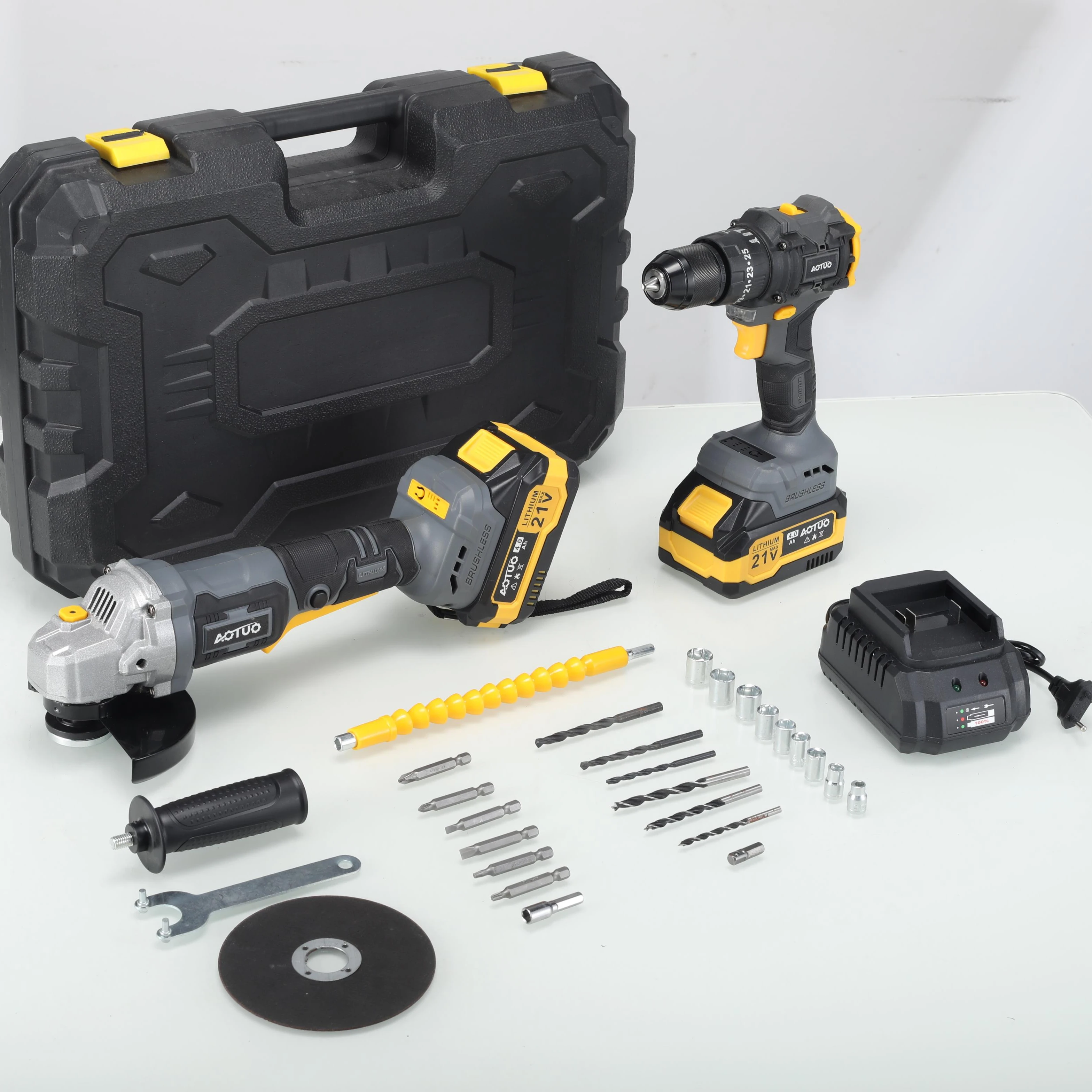
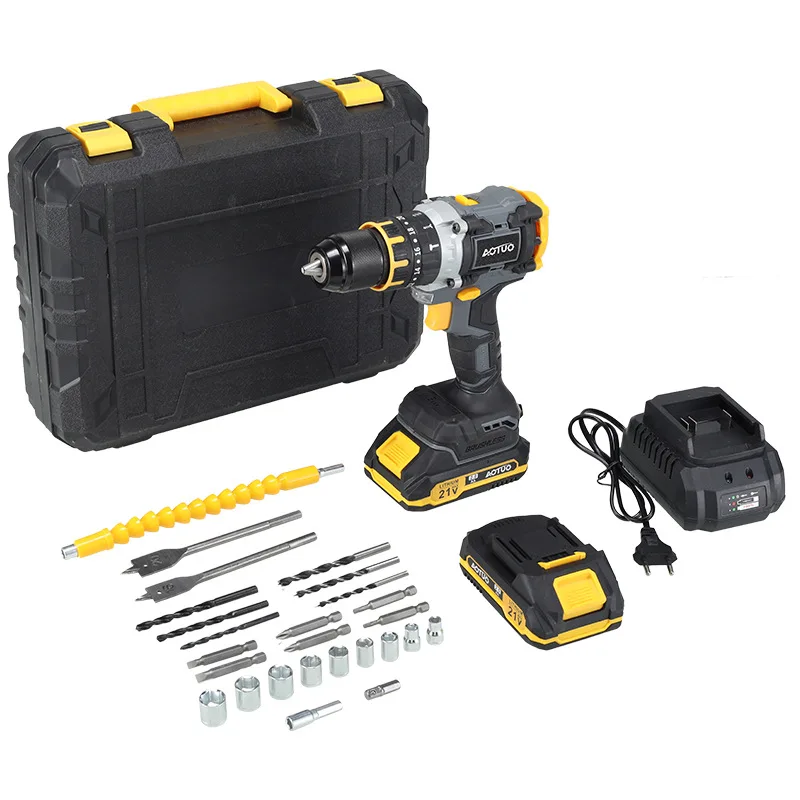
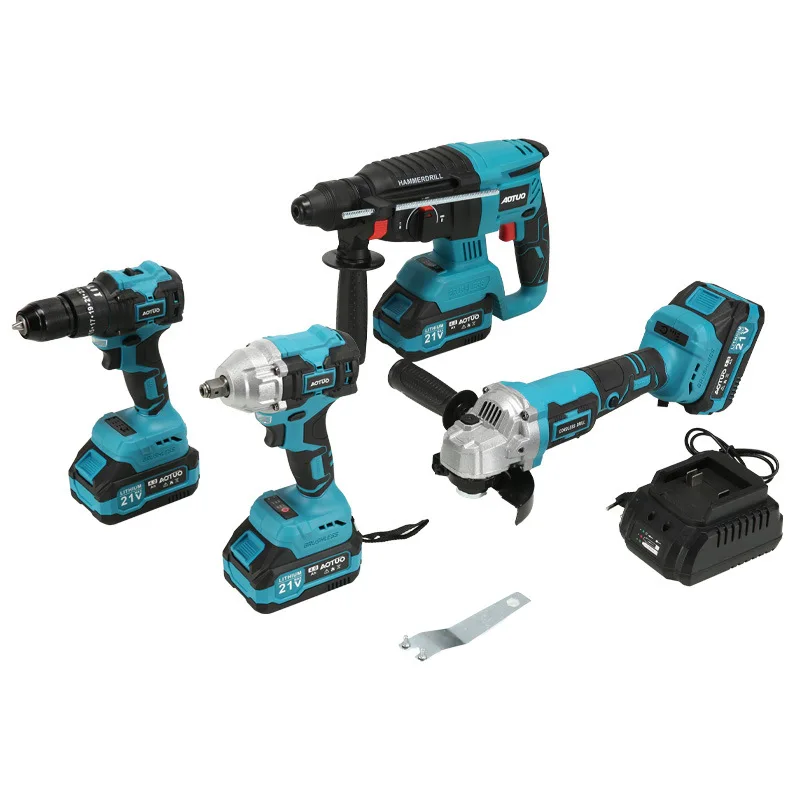
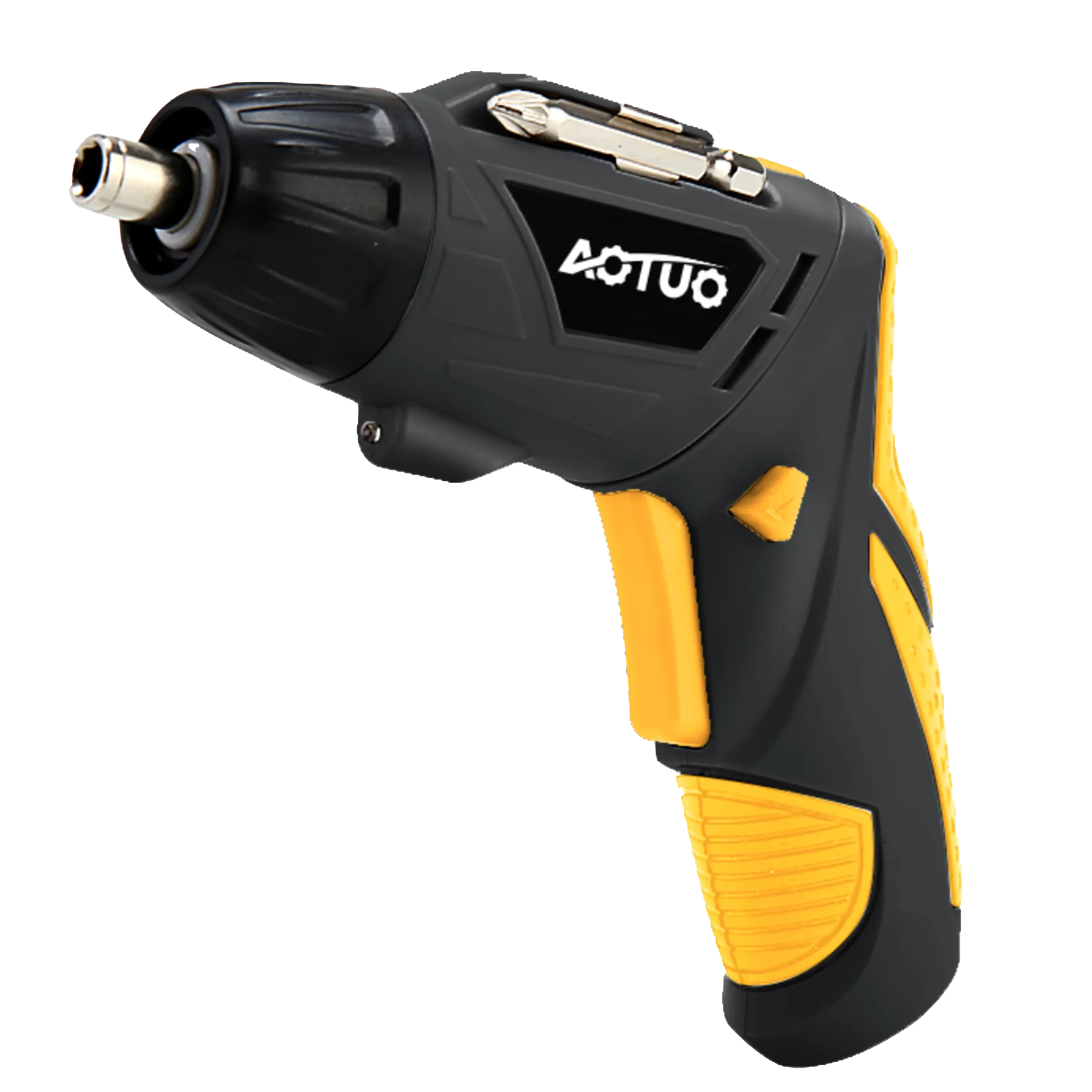
Key Specifications to Consider in Battery Operated Grass Trimmers
Understanding the key specifications of battery-operated grass trimmers is crucial for making informed purchasing decisions. Here are several important factors to consider:
Battery Capacity: Measured in amp-hours (Ah), the battery capacity determines how long the trimmer can operate before needing a recharge. A higher Ah rating generally means longer run times, making it suitable for larger areas.
Motor Power: The wattage or voltage of the motor impacts cutting efficiency and performance. A trimmer with a higher voltage will typically handle tougher grass and weeds more effectively.
Cutting Width: The cutting width indicates how much area can be trimmed in one pass. A wider cutting width can increase efficiency, especially on larger properties.
Weight and Ergonomics: A lightweight trimmer can reduce user fatigue during prolonged use. Ergonomic designs that include adjustable handles can enhance comfort and maneuverability.
Charging Time: Consider the time it takes to recharge the battery. A quicker charging time can minimize downtime, especially in commercial applications where efficiency is critical.
These specifications directly influence the operational capability of the trimmer and should be matched against the intended application and operational requirements.